
The Allure of Gambling: Why People Are Drawn to Casinos
The psychology of gambling behavior in casinos is a complex interplay of various factors, primarily driven by the excitement and thrill associated with the possibility of winning. This allure is not just about financial gain; it taps into deeper psychological needs, including the desire for escapism and the experience of heightened emotions. Many individuals seek out the vibrant atmosphere of casinos as a means to break free from daily routines and engage in a form of entertainment that offers both risk and reward. For instance, some people turn to newfoundland and labrador online casinos to explore the excitement of gaming from the comfort of home.

Moreover, the sensory elements present in casinos, such as bright lights, sounds of slot machines, and free drinks, create an enticing environment that stimulates the senses. This carefully designed ambiance can enhance feelings of euphoria, making it easy for gamblers to lose track of time and money. Consequently, the combination of psychological arousal and immersive experiences can lead to addictive behaviors, as individuals find it challenging to resist the next spin or hand of cards.
The Role of Cognitive Biases in Gambling Decisions
Cognitive biases significantly influence gambling behaviors, often leading individuals to make irrational decisions. One common bias is the illusion of control, where gamblers believe they can influence outcomes, particularly in games based on chance. For instance, a player may think that their experience or strategies can sway the results of a dice roll or a card game, despite the inherent randomness involved. This belief can drive them to gamble more than they originally intended, creating a cycle of behavior that can escalate quickly.
Another notable cognitive bias is the gambler’s fallacy, where individuals mistakenly believe that past winnings or losses affect future outcomes. This faulty reasoning can lead players to chase losses, believing that a win is «due» after a streak of bad luck. As these cognitive biases persist, they can reinforce gambling behavior, making it increasingly difficult for individuals to step back and assess their actions rationally.
The Impact of Social Factors on Gambling Behavior
Social influences also play a crucial role in shaping gambling behavior. The presence of peers can create a sense of belonging and camaraderie, which can amplify the thrill of gambling. Many people gamble in groups, as the shared experience of risk-taking can enhance the enjoyment of the activity. This social dynamic can normalize gambling behaviors, making it more acceptable and increasing the frequency of visits to casinos.
Furthermore, advertising and promotional strategies employed by casinos are designed to appeal to social connections and create a community atmosphere. These tactics often highlight group events, tournaments, and social gatherings, encouraging individuals to participate not just for the gambling itself but for the social interactions that accompany it. Such promotions can significantly impact individuals’ decisions to engage in gambling, further embedding it as a social norm within certain communities.
The Psychological Effects of Winning and Losing
The psychological aftermath of winning or losing in gambling can be profound. Winning can produce a rush of dopamine, leading to feelings of exhilaration and validation. This positive reinforcement can create a desire to continue gambling, as players seek to replicate those exhilarating moments. For many, the euphoria of a win can overshadow past losses, fueling the notion that they can continue to win.
Conversely, losses can have detrimental effects on an individual’s mental health. The emotional toll of gambling can lead to feelings of guilt, shame, and anxiety, often resulting in a dangerous cycle of chasing losses and compulsive gambling behavior. Understanding these emotional repercussions is crucial for addressing gambling addiction and formulating effective strategies for intervention and support.
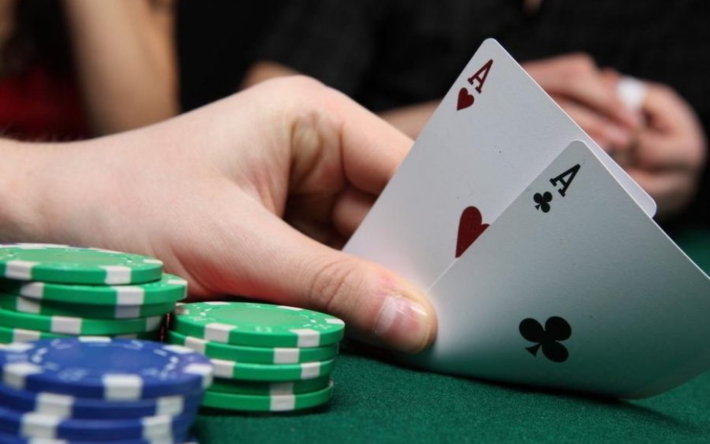
Nordic Bridges and the Exploration of Gambling Behavior
Nordic Bridges serves as a platform for exploring various cultural narratives, including the psychology behind gambling behavior. It invites users to engage in discussions that extend beyond the realm of gambling, touching on themes of risk, reward, and the psychological complexities involved. By connecting individuals with resources and insights, Nordic Bridges encourages a deeper understanding of not only gambling but the myriad factors influencing human behavior.
Through its initiatives, Nordic Bridges fosters a vibrant community where individuals can appreciate the cultural implications of gambling. By promoting awareness and understanding, the platform aims to inspire positive dialogues around gambling behavior, highlighting its relevance to broader societal contexts and individual experiences.
