
Understanding the psychological factors driving casino behavior
The Allure of Gambling
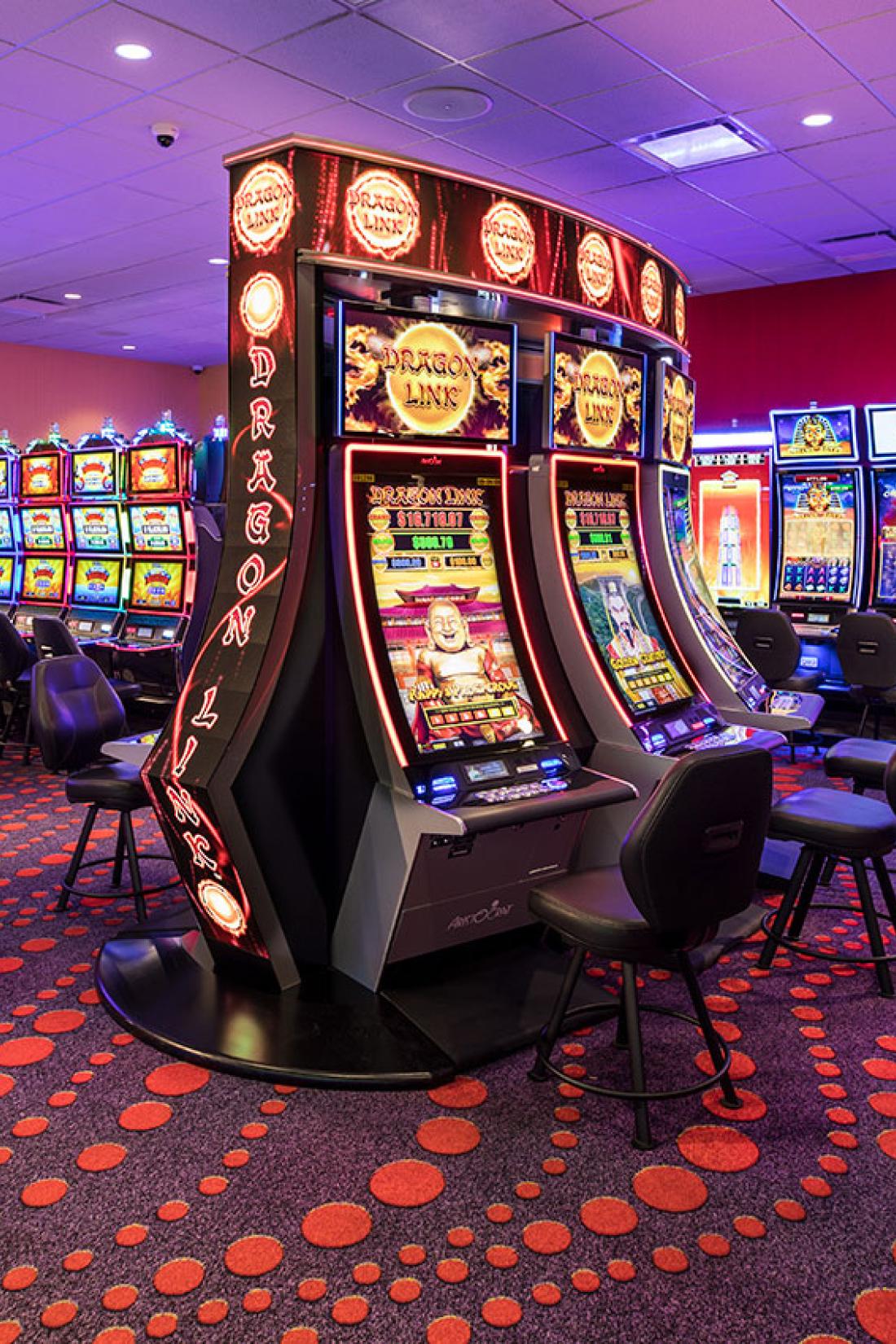
The excitement of gambling is often attributed to the thrill of risk and reward. Casinos are designed to captivate players, using vibrant colors, enticing sounds, and engaging atmospheres that create an immersive experience. This stimulation activates the brain’s reward pathways, triggering feelings of pleasure that keep players returning for more. The unpredictability of outcomes adds to the allure, as players often feel they can beat the odds, even when statistically, they cannot. Additionally, many people turn to reliable betting sites as they explore their options.

Moreover, the social aspect of gambling cannot be underestimated. Many people enjoy the camaraderie found in casinos, where they can share experiences with friends or meet new people. This social interaction can enhance the enjoyment of gaming, leading to longer playtimes and increased spending. The combination of sensory stimulation and social engagement creates a powerful draw that can influence behavior significantly.
Emotional Drivers of Casino Behavior
Emotions play a crucial role in gambling behavior. Players often seek an escape from daily stresses, using gambling as a means to cope with life’s challenges. The adrenaline rush experienced during a game can offer temporary relief from anxiety or sadness, making it an appealing option for those seeking distraction. Unfortunately, this can lead to problematic gambling, as individuals may become reliant on these experiences for emotional regulation.
Furthermore, feelings of luck and optimism bias can contribute to gambling decisions. Many players hold the belief that they can influence outcomes through skill or lucky rituals. This belief, often unsupported by evidence, can lead to a continued investment of time and money, despite the odds being against them. Recognizing these emotional drivers is essential for understanding the complex nature of gambling behavior.
The Role of Cognitive Biases
Cognitive biases significantly shape how players approach gambling. The gambler’s fallacy, for instance, is the mistaken belief that past outcomes affect future results. Players might think that if a particular slot machine hasn’t paid out recently, it’s «due» for a win, leading them to invest more. Such biases can skew judgment, making it harder for individuals to make rational decisions about their gambling activities.
Additionally, confirmation bias can lead players to remember wins more vividly than losses, reinforcing the belief that they can succeed. This selective memory can perpetuate gambling behavior, encouraging individuals to chase losses in hopes of recovering their money. Understanding these cognitive distortions is vital in addressing harmful gambling practices and promoting healthier behaviors.
The Impact of Environment and Design
The environment of a casino is meticulously crafted to enhance the gambling experience. From the layout of gaming tables to the positioning of slot machines, every element is designed to maximize player engagement and minimize the urge to leave. The absence of clocks and windows creates a sense of timelessness, encouraging extended play. Moreover, the use of free drinks and complimentary services can keep players on-site longer, increasing the likelihood of additional spending.
Research indicates that music and lighting can also impact players’ emotional states and decision-making processes. Upbeat music might encourage riskier bets, while dim lighting can create a more intimate, seductive atmosphere. These environmental factors are often overlooked but are critical in understanding how they influence player behavior and gambling outcomes.
Exploring Responsible Gambling and Resources
As understanding the psychological factors driving casino behavior becomes increasingly important, the conversation around responsible gambling is essential. Many organizations focus on promoting awareness about the risks associated with gambling, providing resources for those struggling with addiction. By fostering an understanding of how emotional and cognitive factors influence behavior, these initiatives aim to empower players to make informed choices.
Our website serves as a valuable resource for individuals looking to understand more about responsible gambling. We provide insights, tools, and guidance tailored to help players navigate their gaming experiences safely. Whether you’re seeking advice on setting limits or exploring professional support options, our goal is to ensure that gambling remains a fun and controlled activity.
